
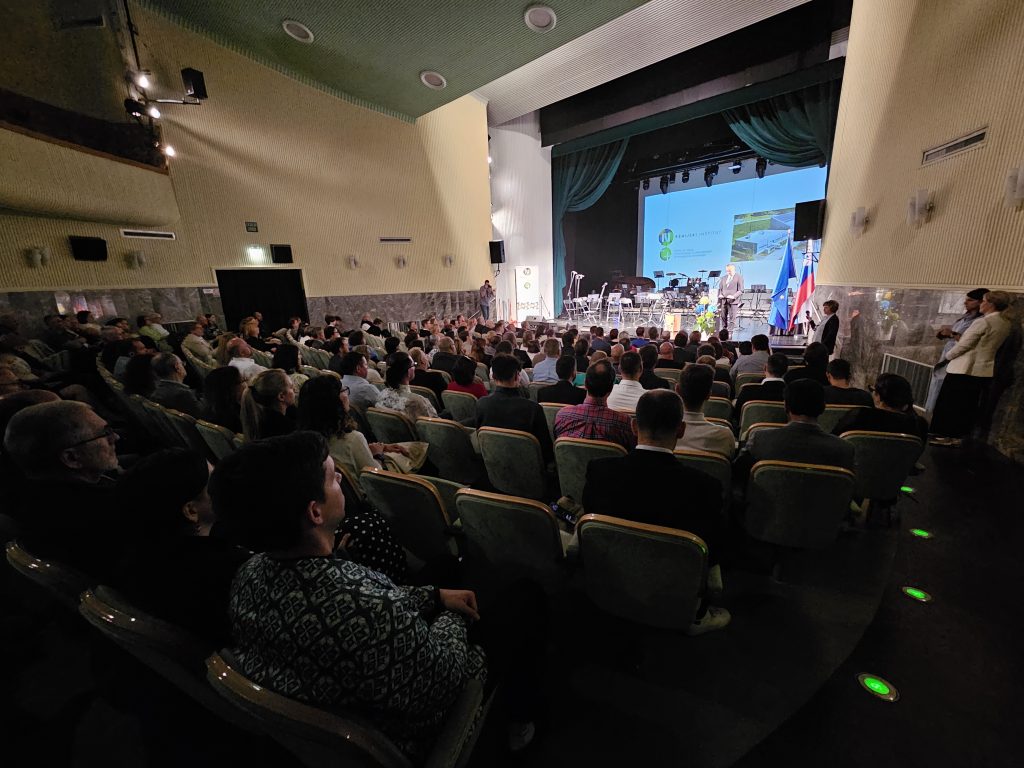
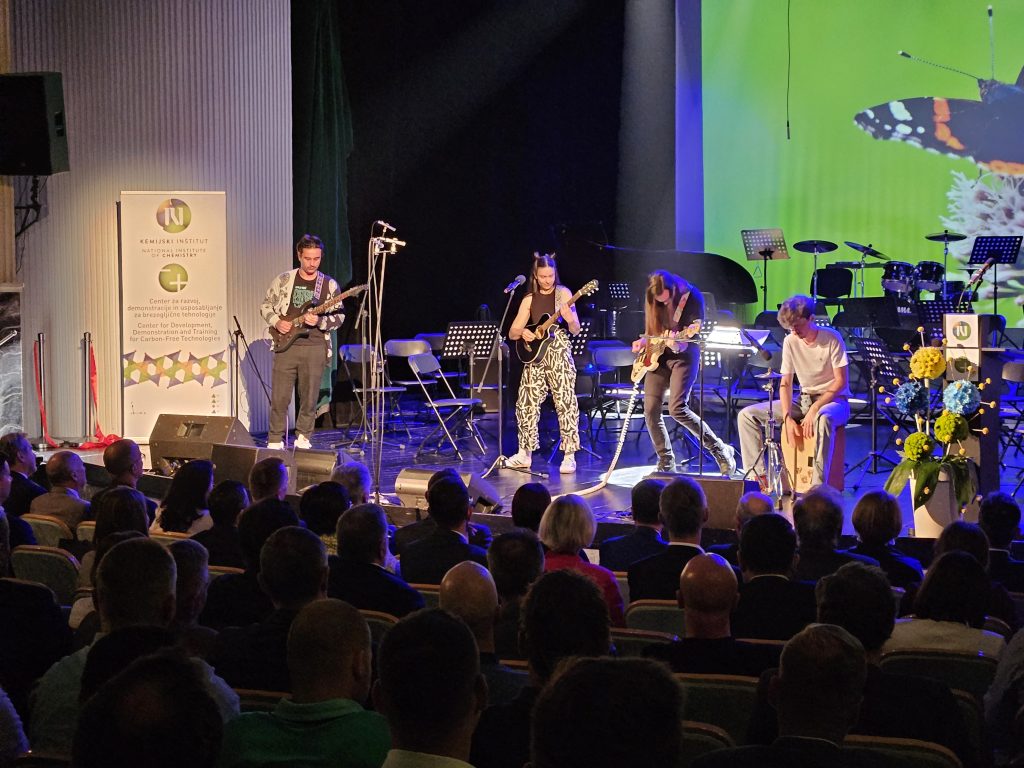
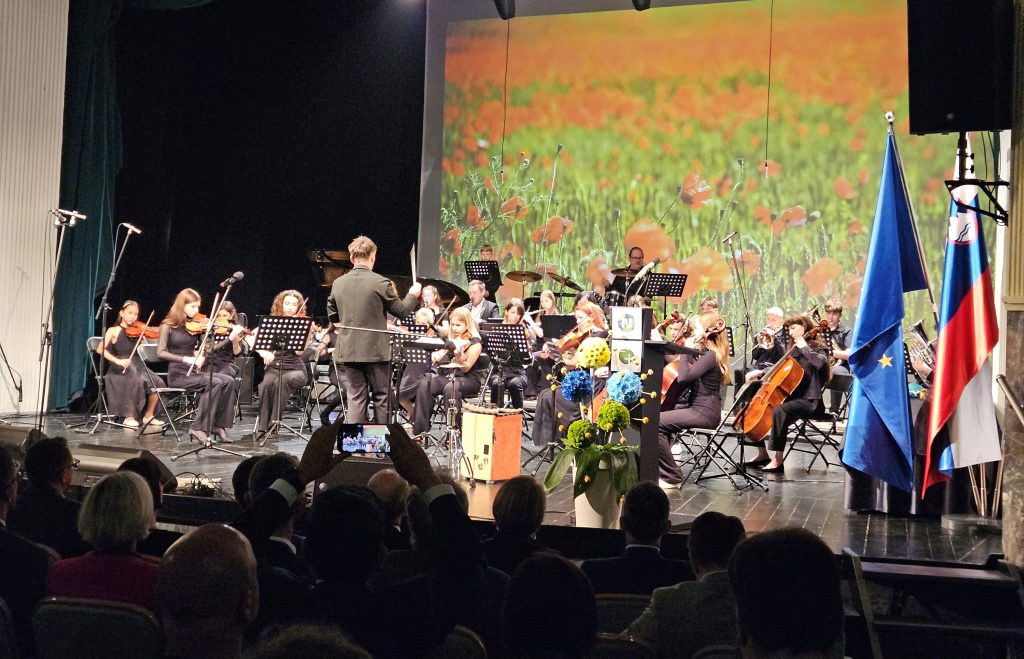
Zagorje ob Savi, 12 June 2026 – Today, an official ceremony was held to mark the opening of the Centre for Development, Demonstration and Training for Carbon-Free Technologies in Kisovec. The centre aims to advance carbon-free technologies and represents one of the most important R&D investments supporting the green transition in Slovenia. The €32 million project is co-financed by the European Union and the Republic of Slovenia and is the first Slovenian project supported by the Just Transition Fund.
The project clearly demonstrates the key role cohesion funds play in the economic transformation and decarbonisation of former mining regions. It symbolises the transformation of a region whose development was driven by coal for decades into a modern centre for advanced battery and hydrogen technologies. EU funding has enabled the establishment of state-of-the-art research infrastructure that will serve as a bridge between science and industry, accelerating the transfer of innovation into practical applications and supporting the training of professionals needed for the green transition.
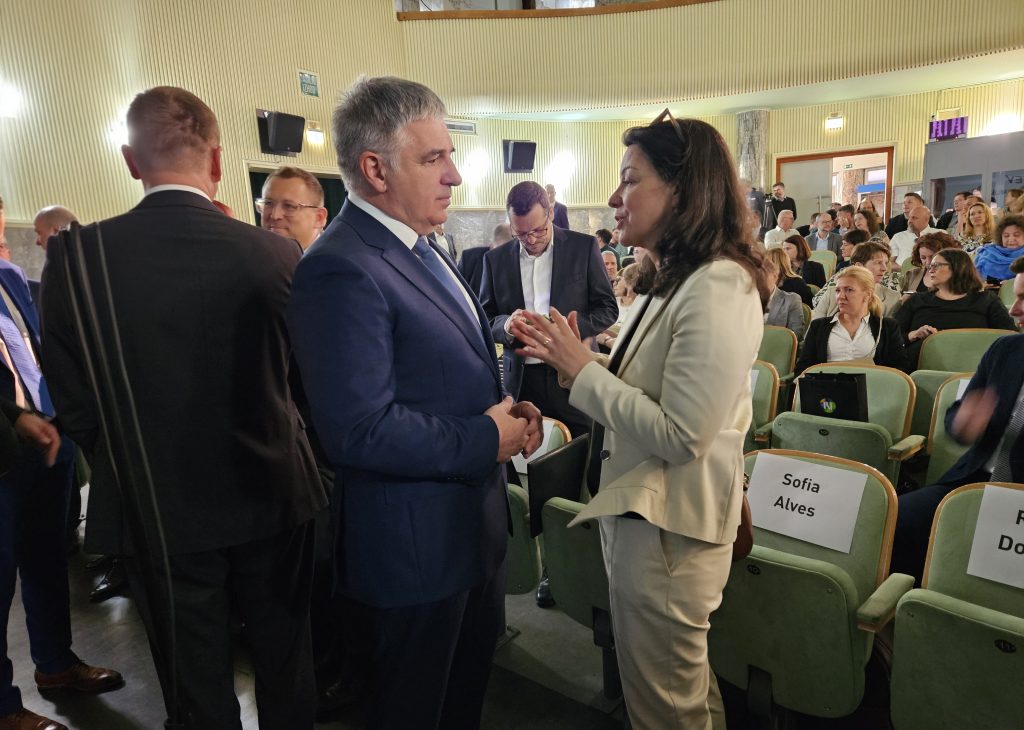
Sofia Alves, Director at Directorate-General for Regional, Cohesion and Urban Policy at the European Commission, focusing on programme implementation and administrative capacity building, said that the strategic project clearly illustrated the role of cohesion policy in helping regions transition to a climate-neutral future, with Slovenia translating ambition into concrete action and the Zasavje region leading the way.
Ekaterina Zaharieva, European Commissioner for Startups, Research and Innovation, in her video message underlined that the centre represented an important milestone on Europe’s path to climate neutrality, demonstrating how European decarbonisation ambitions are being translated into tangible development opportunities for region, industries, and people.
Matjaž Dragar, Acting Director-General of Cohesion Directorate at the Ministry of Local Self-Government, Cohesion and Regional Development, was pleased that the community recognised the importance of the centre and fully embraced it. He added that the ministry would continue to support investments in decentralisation, regional development, science, innovation, and research and wished the centre continued success beyond the period of EU support.
The state-of-the-art research infrastructure comprises more than 1,500 square metres of laboratory and pilot facilities, including Laboratory for battery development and testing and Laboratory for demonstration of H2 and CO2 technologies. Additionally, the centre provides over 400 square meters of office space and a lecture room dedicated to research and training activities.
The impact of the investment is already evident on the ground – of the centre’s 22 current employees, around half are from the Zasavje region. In the coming years, the team is expected to grow by a further 50 to 60 staff members thanks to the successful use of EU funds. The project’s successful launch demonstrates how EU funds can serve as a catalyst for new opportunities, attracting talent and knowledge, and building sustainable and resilient economies on the foundations of former mining regions.
Hi, my name is EMA, how can I help you?